Kawasaki Ninja All Keys Lost — What Actually Happens When a Locksmith Shows Up
Lost all keys to your Kawasaki Ninja in South Florida? This guide explains exactly what happens when a motorcycle locksmith handles an all keys lost situation — step by step. From Bike n Boat Locksmith, Broward County's Kawasaki specialist.
4/5/20265 min read
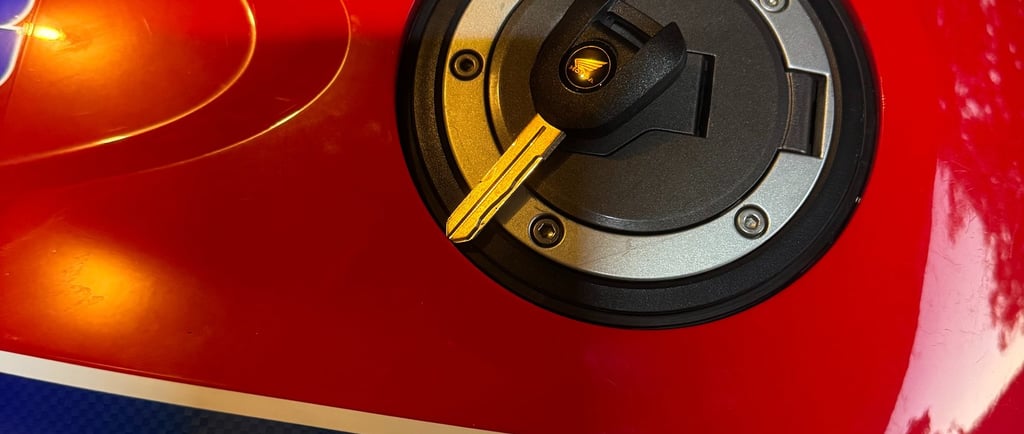
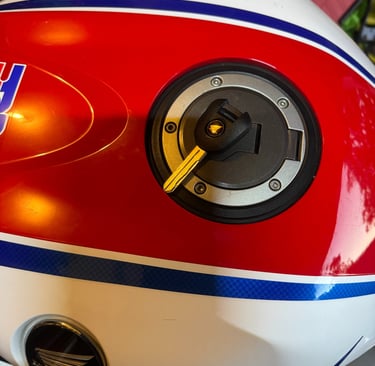
You have lost all keys to your Kawasaki Ninja and have no idea what happens next. You have heard it is expensive. You have heard it takes forever. You have heard you might need to tow it to a dealer. You are not sure any of it is true but you also have no frame of reference for what a mobile motorcycle locksmith actually does when they show up for an all keys lost situation.
This post walks through exactly what happens — step by step — when Bike n Boat Locksmith shows up to your location in South Florida for a Kawasaki Ninja all keys lost job. No mystery, no surprise, just a clear picture of the process from arrival to a working key in your hand.
Before the Locksmith Arrives — What You Should Have Ready
When you call us for a Kawasaki Ninja all keys lost you will be asked for the year, model, and VIN of the bike. The VIN is the 17-character Vehicle Identification Number found on the steering head (where the forks meet the frame), on the frame near the engine, or on your title and registration.
We use the VIN to confirm the specific Ninja model, verify the key system generation, and in some cases look up key code data. Have it ready when you call.
When we arrive we will also need to see proof of ownership — your registration, title, or insurance card in your name. We carry this requirement on every all keys lost job. It protects you, it protects us, and it is the right practice.
Step 1 — Arrival and Visual Assessment (5 to 10 Minutes)
We arrive at your location — your home, a parking lot, a storage facility, wherever the Ninja is — with a mobile workshop setup that includes all the cutting equipment, programming tools, and key blanks needed for Kawasaki motorcycles.
The first thing we do is a visual assessment of the bike. We look at the ignition cylinder, the steering lock position, the handlebars, and the general condition of the bike. We are looking for any pre-existing damage to the ignition or lock area, confirming that the steering is locked as expected, and noting any modifications to the security system that might affect our approach.
We also confirm the specific Kawasaki transponder system generation on your bike. Kawasaki has used different transponder architectures across their Ninja model range over the years, and the specific approach varies by generation.
Step 2 — Decoding the Ignition Cylinder (15 to 30 Minutes)
This is the step that makes all keys lost possible without any original key. We decode the ignition cylinder mechanically using professional motorcycle locksmith tools — this means reading the internal configuration of the lock tumblers to determine the exact key cut pattern for your specific bike.
The Kawasaki Ninja ignition cylinder has a series of spring-loaded tumblers inside. When the correct key is inserted each tumbler aligns correctly and allows the cylinder to rotate. By carefully reading the position of each tumbler without a key we can determine the exact cut depths needed for a working key.
On some Kawasaki Ninja models the key code is also accessible through the VIN using manufacturer key code databases. When this is available it speeds up the process — we can confirm the cut code directly rather than decoding entirely from the cylinder.
The steering lock is engaged during this process. We work with the steering lock engaged and do not attempt to manipulate it until we have a working key to release it properly.
Step 3 — Cutting the Key Blade (5 to 10 Minutes)
Once we have the correct cut code we cut a new key blade on our precision key cutting equipment. We use a Kawasaki-compatible key blank of the correct profile for your specific Ninja model.
The cut key is tested in the ignition cylinder mechanically — we verify that the blade turns the cylinder smoothly before proceeding to electronic programming. A key that does not turn mechanically is no good regardless of what is programmed into its chip.
We also check the seat lock and fuel cap lock at this stage if they are keyed to the same code — which they typically are on Kawasaki Ninja models. The new key should operate all lock points on the bike.
Step 4 — Transponder Programming (15 to 30 Minutes)
This is where the motorcycle locksmith process differs from a simple key cutting job and why specialist equipment matters. The new key blade is physically correct but the transponder chip embedded in the key head is blank — it has not been registered to your Ninja's immobilizer system yet.
We connect our Kawasaki-compatible motorcycle programming interface to the bike's diagnostic port. We access the immobilizer system's key registration database, clear any existing (lost) key registrations, and register the new key's transponder code as the sole authorized key for this bike.
The programming process varies in time depending on the specific Kawasaki Ninja model and transponder generation. Newer Ninja models with current KECS security architecture take longer than older generations. We will give you an honest time estimate when we assess the bike at arrival.
Once programming is complete the system should recognize the new key — and only the new key. The old lost keys, if found later, will not start the bike.
Step 5 — Testing (5 to 10 Minutes)
Programming complete is not the same as job done. We test thoroughly before we leave.
We insert the new key and verify the transponder is recognized by the immobilizer. We turn the ignition through all positions — off, on, start. We start the engine and let it idle. We lock and unlock the steering. We test the seat lock and fuel cap if applicable. We cycle the ignition off and restart a second time.
Only when everything works correctly across multiple test cycles do we hand the key over and consider the job complete.
Step 6 — The Spare Key Conversation
Before we leave we always recommend having a spare made on-site. For a Kawasaki Ninja with a transponder key system the spare requires the same cutting and programming process as the primary key — it cannot be copied at a hardware store. Having it done now, while we are already set up and connected to the bike, adds minimal additional cost compared to what you just paid for the all keys lost service. Waiting until you need a spare means going through a portion of this process again.
Most Kawasaki Ninja owners who have been through an all keys lost situation get the spare made. It is the right call.
Total Time on Site
For most Kawasaki Ninja all keys lost jobs we are on-site for 60 to 90 minutes from arrival to a working key in your hand. Older Ninja models with simpler key systems may be completed faster. Newer high-security variants may take slightly longer. We give you an honest time estimate when you call.
Frequently Asked Questions — Kawasaki Ninja All Keys Lost
Do I need to tow my Ninja to a dealer for all keys lost?
No. We come to your Ninja wherever it is in South Florida and complete the all keys lost job on-site. Towing is not required.
Will the steering unlock work with the new key?
Yes. The new key we cut is made to the decoded ignition code which is the same code used for the steering lock. The steering will unlock normally with the new key.
What if my Ninja has an aftermarket alarm system installed?
Aftermarket alarms are an additional variable. We assess these on-site — most aftermarket alarms have their own bypass or reset procedure that we address as part of the job. Tell us if your Ninja has an aftermarket alarm when you call so we can factor it into our assessment.
My Kawasaki Ninja is a newer model (2022 or later). Does that affect the process?
Current generation Kawasaki Ninja models use more sophisticated transponder systems than older generations. We maintain current software coverage for all Kawasaki models through the 2026 model year. Call us with your specific year and model and we will confirm coverage.
How much does Kawasaki Ninja all keys lost cost in South Florida?
All keys lost is generally the most expensive key replacement scenario because of the decoding work, the fresh programming from zero, and the time involved. We give free upfront quotes — call us at (954) 932-0736 with your Ninja year and model.
Kawasaki Ninja all keys lost in South Florida? Call Bike n Boat Locksmith at (954) 932-0736. We come to your location throughout Broward County, Miami-Dade, and Palm Beach County. Mobile, licensed, insured, available 24/7.
(954) 932-0736
We are not the cheapest, but we charge fair and competitive prices
We offer free estimate over the phone